
Upper school classes might like this site where you can upload photos and create printable templates for lots of lovely craft ideas - books, models and origami. Click here.
 Babbage
asked her to expand the article, “as she understood it so well”, and
this was when she wrote several early ‘computer programs’. Her notes on
the engine include what is recognised as the first algorithm intended to be processed by a machine; thanks to this, she is sometimes considered the world’s first computer programmer. Ada’s notes are important in the early history of computers.
She also foresaw the capability of computers to go beyond mere
calculating or number-crunching while others, including Babbage himself,
focused only on these capabilities.
Babbage
asked her to expand the article, “as she understood it so well”, and
this was when she wrote several early ‘computer programs’. Her notes on
the engine include what is recognised as the first algorithm intended to be processed by a machine; thanks to this, she is sometimes considered the world’s first computer programmer. Ada’s notes are important in the early history of computers.
She also foresaw the capability of computers to go beyond mere
calculating or number-crunching while others, including Babbage himself,
focused only on these capabilities. Ada Lovelace Day 2013
is about sharing stories of women — whether engineers, scientists,
technologists or mathematicians — who have inspired many. The aim is to
create new role models for girls and women in these male-dominated
fields by raising the profile of other women in STEM.
Ada Lovelace Day 2013
is about sharing stories of women — whether engineers, scientists,
technologists or mathematicians — who have inspired many. The aim is to
create new role models for girls and women in these male-dominated
fields by raising the profile of other women in STEM. Take a look at the wonderful Sydney Padua.com for some exquisite art work, and “The Origin”,a wonderful comic on the back story and early days of Ada Lovelace.
 Lovelace and Babbage is now a snazzy FREE iPad App, thanks to the good folks at Agant!
 The Forest Academy
is a fun, informative, interactive tour through the life cycle of
plants, tree knowledge, biodiversity, forest protection and more. Games,
& quizes earn badges for your backpack. Try some experiments too.
The Forest Academy
is a fun, informative, interactive tour through the life cycle of
plants, tree knowledge, biodiversity, forest protection and more. Games,
& quizes earn badges for your backpack. Try some experiments too.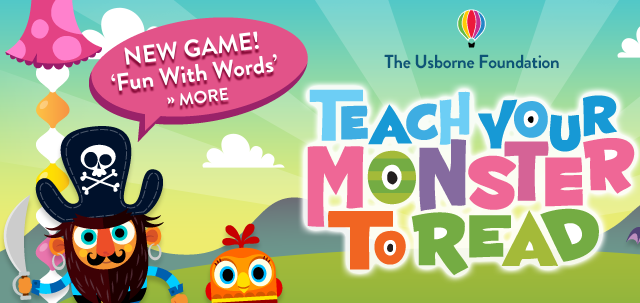

 This
inspiring game develops children’s speed, and accuracy of letter
recognition, by taking them on a fantastic adventure through a magical
world where they meet island kings and collect letters to win prizes.
It also explores blending and segmenting, and introduces “tricky” words
in a fun, interactive setting. It is aimed at beginning readers, both
those who are on track & those who need support. And, it’s great fun
too.
This
inspiring game develops children’s speed, and accuracy of letter
recognition, by taking them on a fantastic adventure through a magical
world where they meet island kings and collect letters to win prizes.
It also explores blending and segmenting, and introduces “tricky” words
in a fun, interactive setting. It is aimed at beginning readers, both
those who are on track & those who need support. And, it’s great fun
too.

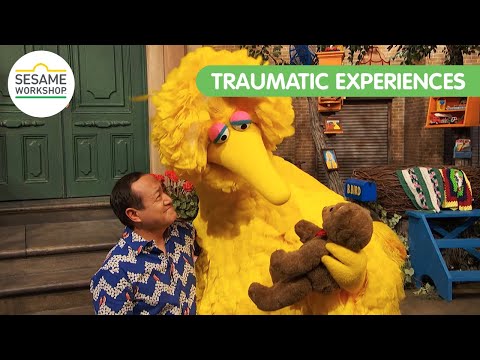
You may have heard about the fantastic work Sesame Street does to support children, including their inclusion of a character with autism o...


 Posted with Blogsy